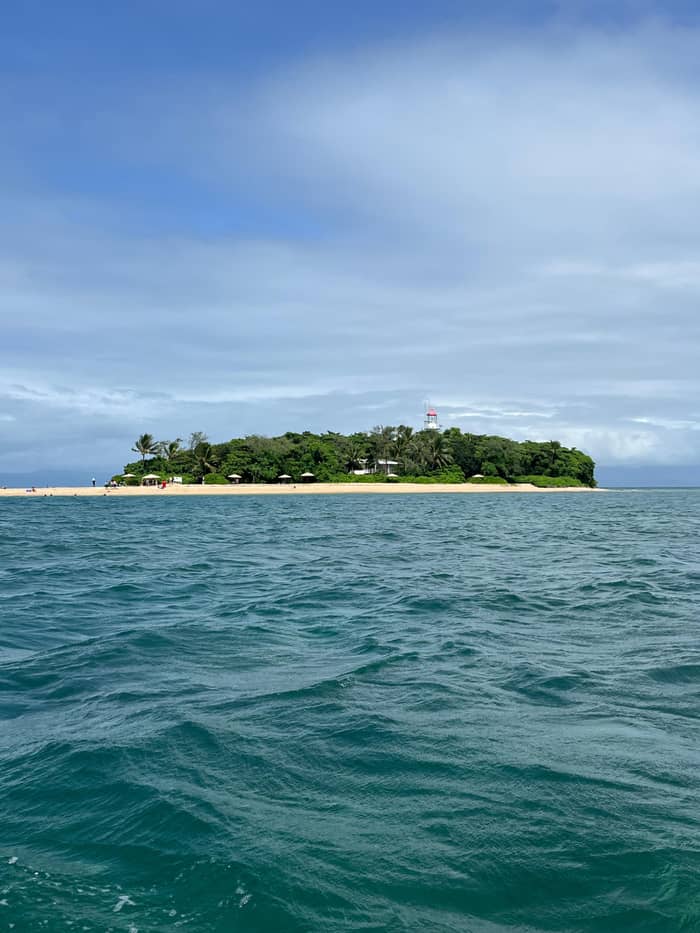
Snorkel here
The lagoon reef
Coral heads and fish
- Look forParrotfish, clams
- Depth0 to 5 metres
- TipFloat, do not stand
Guides
Language
Currency
Check datesstarting at $173 · free cancellationWhere is your stop
Answer in brief
Turtles at Low Isles are mostly young green turtles feeding on the lagoon's seagrass, sighted most days, and you watch them from a distance without touching or feeding them.
Wildlife notes
Discover 9 stops
Tap a route first, then a pin or stop, for its note and Google Maps.
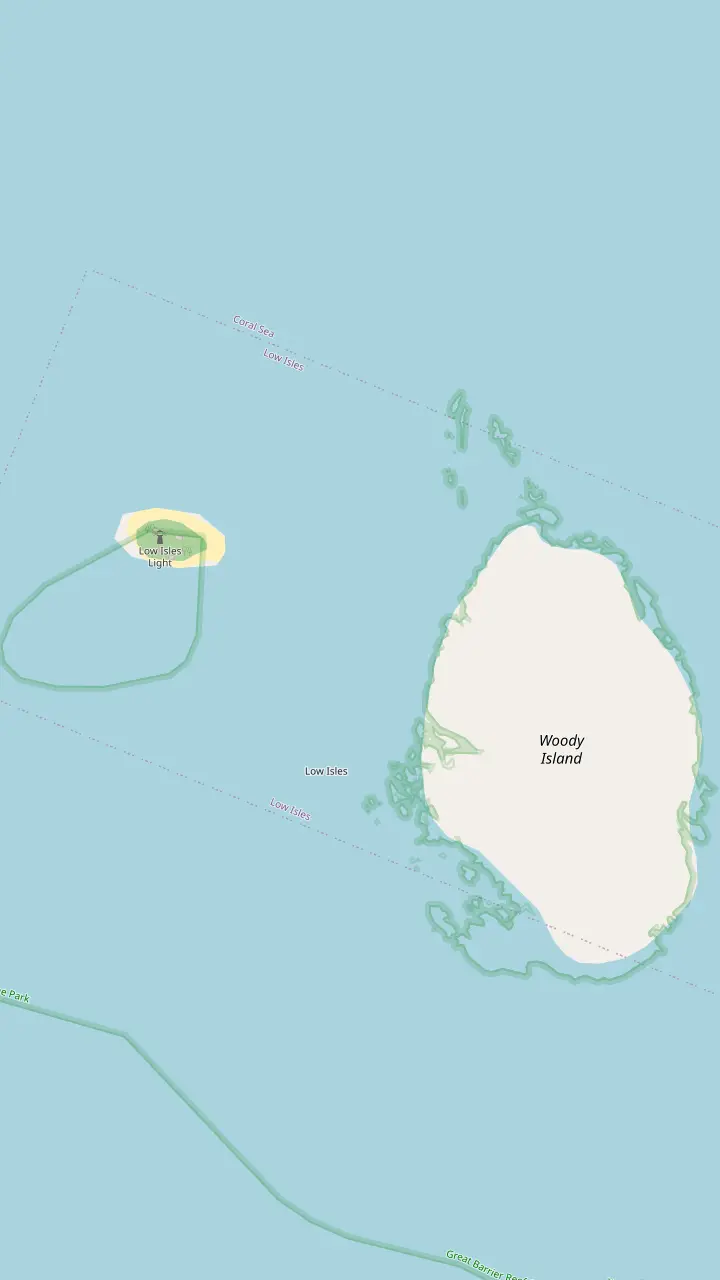
First lit in mid-November 1878, the tenth light the Queensland Government commissioned.
Google MapsThe larger, mangrove island, where an estimated 20,000-25,000 pied imperial pigeons breed from September to March.
Google Maps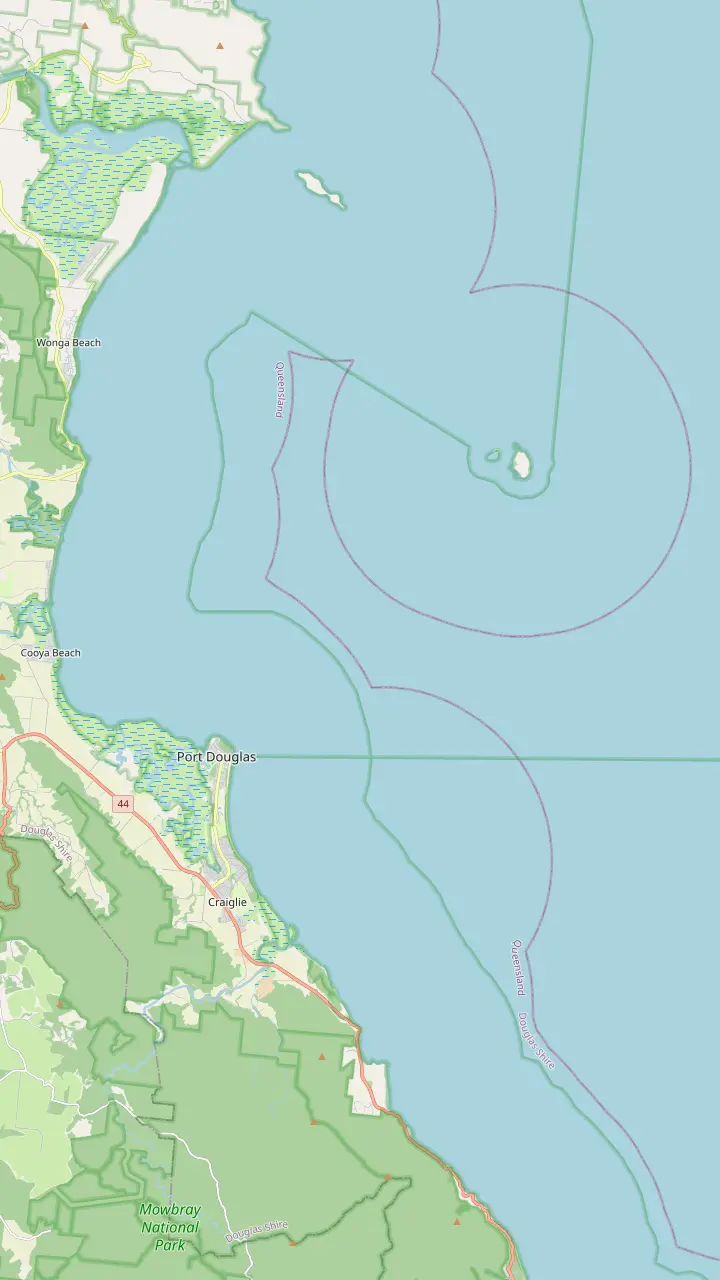
The site tour boards the Calypso XI here, then crosses to the island in 30 minutes.
Google MapsAt low tide this town beach can be over 100 metres wide.
Google MapsAn inner patch reef 15 km north-east of Port Douglas, with a coral cay and a mangrove island.
Google Maps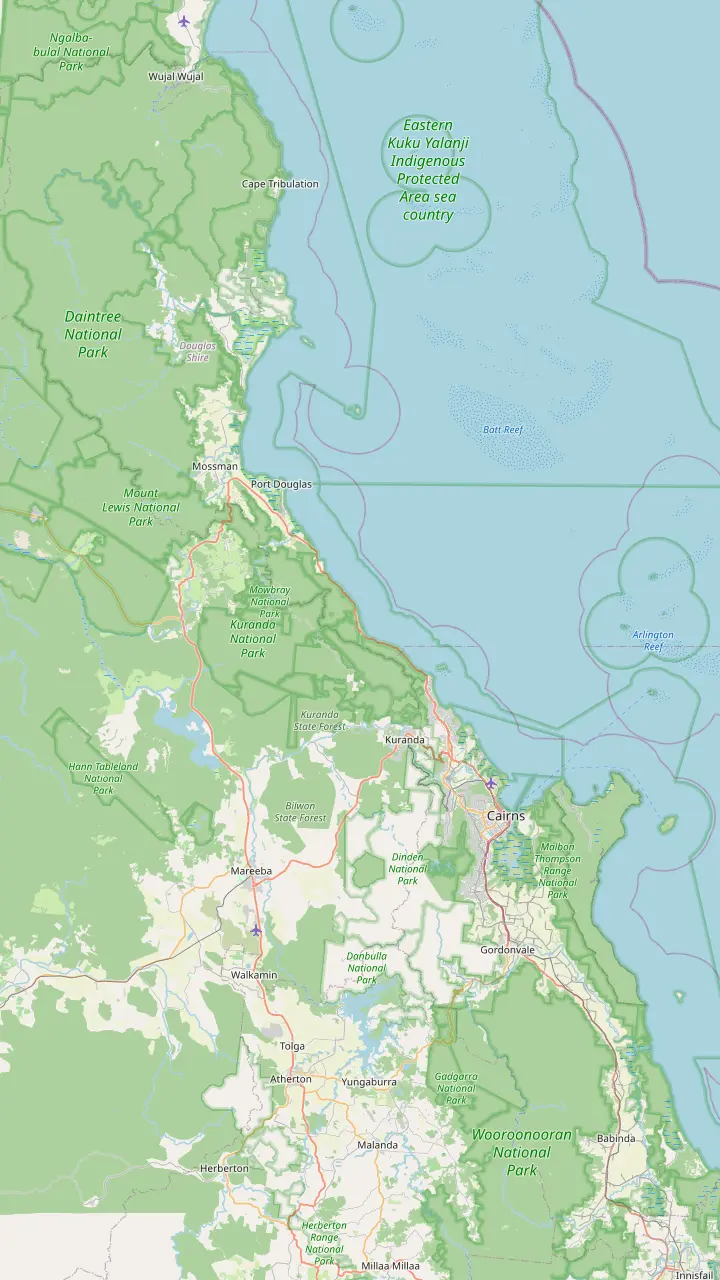
Low Isles lies 8.5 nautical miles from Port Douglas.
Google MapsA beach town on the coast road between Cairns and Port Douglas.
Google MapsPort Douglas is about a one-hour drive north along the coastal highway.
Google MapsThe Douglas Shire Library here holds the journals of the famous reef expedition that lived on Low Island.
Google MapsMap data from © OpenStreetMap contributors
Turtles at Low Isles are the reason many people book, and they rarely disappoint. This guide covers who else shares the lagoon, the birds of Woody Island, and the animals you should treat with care.
Editorial team, lowislestour.com · Updated November 8, 2026 · A 9 min read
Main facts
Low Isles is shaped like a hook, and that shape is why turtles at Low Isles are so easy to find. The Low Isles Preservation Society says the curve of reef between the coral cay and the mangrove island encloses a sheltered lagoon where a large population of young turtles shelters and feeds.6,1 Sailaway reports many green turtles sighted every day, and Tourism Port Douglas Daintree calls the island's turtle population prolific.7,8
What keeps them here is food. The Reef Authority describes adult green turtles as mostly plant eaters, living on algae, seagrass, mangrove fruit and jellyfish.9 At Low Isles, seagrass beds across the intertidal sandflats feed green turtles and dugongs, according to Quicksilver.10 Green turtles move into feeding grounds like this at four to seven years old, when their shells measure 30 to 40 cm.11 Many of the turtles you meet are teenagers in turtle terms, years away from their first nesting trip.
They matter beyond the lagoon. Six of the world's seven marine turtle species live around Australia and all occur in the reef's World Heritage Area, with green turtles apparently the most abundant of them.12,13 The green turtle is still listed as vulnerable under both federal and Queensland law.2 Researchers from James Cook University tracked turtles here with acoustic transmitters and produced the first home range estimates for green turtles feeding on a reef.14 The animal you float beside may well be part of that story.
Who lives where
| Animal | Where to look | When | Your part |
|---|---|---|---|
| Green turtle | Seagrass and lagoon10 | All year7 | No touching or feeding18 |
| Giant clam | Reef in the lagoon | All year | Stay a metre away22 |
| Reef shark | Reef edge and sand23 | All year | Watch, do not follow |
| Pied imperial pigeon | Woody Island trees24 | September to March4 | Keep your distance25 |
| Humpback whale | On the crossing | June to September5 | Enjoy from the deck |
Wildlife is never guaranteed; habitats and seasons as the Reef Authority, the island society and the boat operators describe them.18,4,23
The rules are simple and they work. The Reef Authority asks you never to touch, grab or lean on a turtle and never to try to feed one.18 Give any swimming animal its space; chasing it, riding it, grabbing it or cutting off its route are all out.19 These are not fussy etiquette points. A turtle that is followed stops feeding and swims off, and the next snorkeler sees nothing. Guides at Low Isles know the regular grazing spots, so the easiest way to a good sighting is to stay near the guide and look where they point.
The best sightings come from patience. Find the seagrass edge, float face down and stay still, breathing slowly through the snorkel. Turtles surface every few minutes to breathe, so watch for a head lifting above the water, then swim quietly to a spot well to the side of its path. Let the turtle set the distance. If it turns toward you, stay still and let it pass; it is curious about the shape, not asking to be touched.
Marine turtles have swum the seas for more than 150 million years.20 Watching one graze a few metres below you, unbothered by the boats, is a good reminder of how little they need from us beyond space and clean water. For photographs, keep the sun behind you, shoot slightly downward, and take your picture from the side rather than the front. A turtle that does not feel chased will often circle back for a second look.
Pigeon counts
Volunteer counts of pied imperial pigeons at Low Isles, as reported by the Low Isles Preservation Society; the September 2024 figure is given as nearly 9,000.21
Low Isles marine life goes far beyond the turtles. Quicksilver lists parrotfish, rabbitfish and surgeonfish among the grazers working the algae, with damselfish, trevally, coral trout and fusiliers among the other regulars.27,28 Tourism Port Douglas Daintree adds angelfish, clownfish, sweetlip and moon wrasse.29 Most of these are easy to spot in shallow water, and the parrotfish can often be heard crunching on coral before you see them.
Giant clams are the quiet stars. Tourism Port Douglas Daintree says they live around 100 years in the wild and can weigh more than 200kg.30 Their mantles shimmer in blues and greens, and they close slowly when a shadow passes. Keep your mask over a metre from a clam, as the Reef Authority asks.22 Look on the sand for sea cucumbers too; they sift sediment all day and are part of the reason the lagoon floor stays clean.
The mangroves on Woody Island are a nursery. Quicksilver says they shelter juvenile fish and crustaceans, while the seagrass feeds the bigger grazers.10 That mix of coral, seagrass and mangrove in one small place is what the island's stewards call unique on the Great Barrier Reef.6 You will not swim into the mangroves, but from the beach you can see where the two habitats meet, and the young fish in the shallows are the clue.
Plan around the animals
Pick the wish that matters most and the plan that gives it the best chance.
If I want to swim with a turtle
Any trip, snorkel the seagrass edge
Green turtles are frequently sighted at Low Isles.23
If I want to see whales
Travel June to September
Boats to the island regularly meet humpbacks then.26
If I love birds
Visit September to March
That is the pigeon and tern breeding season.15
If I am nervous about sharks
Stay with the guided group
The local reef sharks are described as generally shy.3
If I want the most time with wildlife
A full-day sailing trip
Sailaway's full day stays in the lagoon for 4.5 hours.
Three habitats
Snorkel here
Coral heads and fish
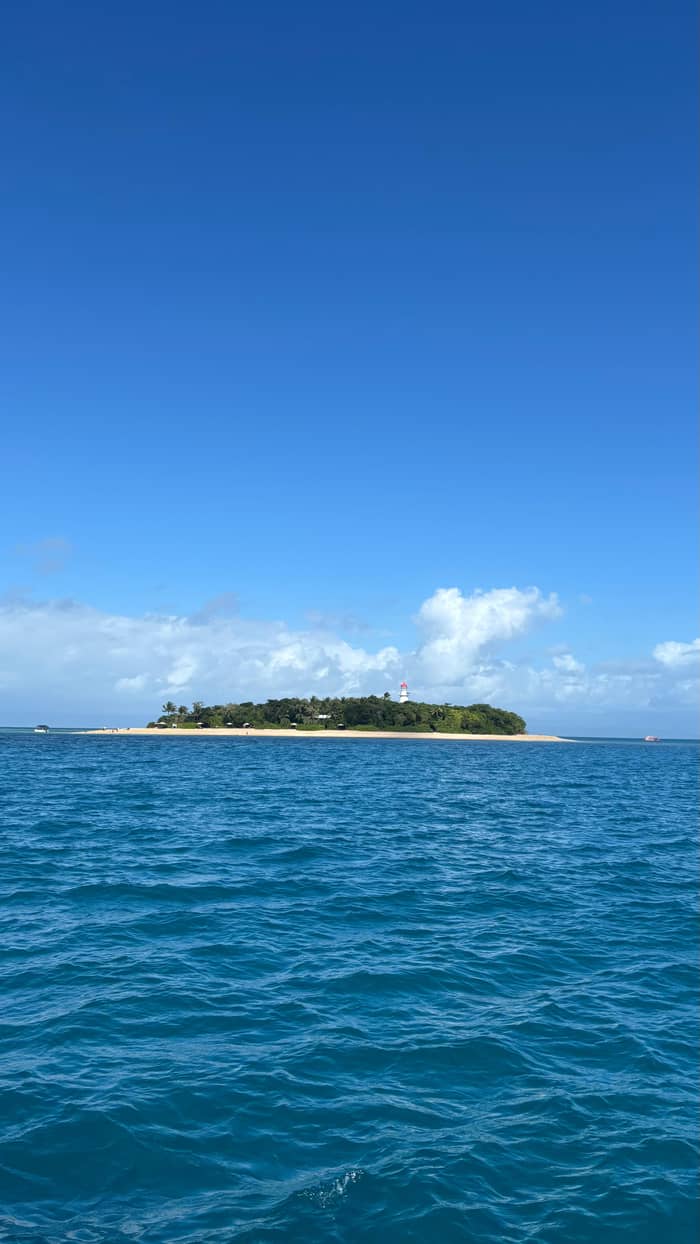
Best for turtles
Turtle grazing ground
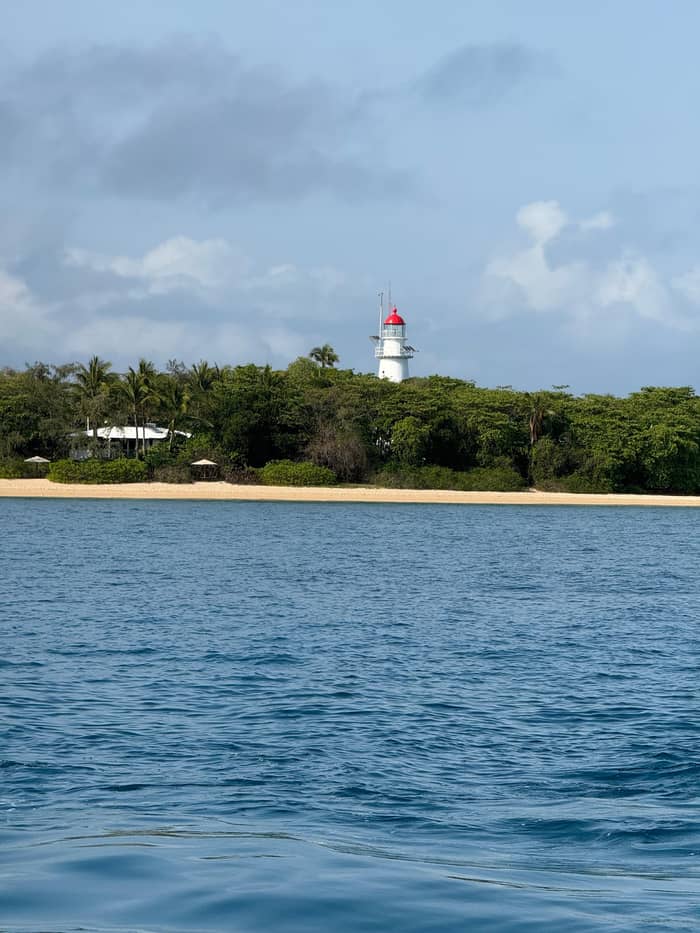
From the beach
Mangroves and birds
People ask about Low Isles sharks more than any other animal, so here is the plain answer. The sharks you are likely to see are white-tip reef sharks, which Tourism Port Douglas Daintree describes as a smaller species, not typically aggressive and generally shy.3 Calypso says reef sharks are quite common around the island.23 Most sightings are of a slim grey shape resting on sand or cruising the reef edge, moving away from snorkelers.
The Queensland Government's shark advice is general and sensible anywhere on this coast. Swim in clear water, not murky water, busy anchorages, estuary mouths or canals.39 Do not throw food scraps or fish waste overboard, including where people swim.40 On a guided day trip the crew chooses the snorkel area and watches the water, so the best thing you can do is stay with the group and follow their calls.
If you see a reef shark, enjoy it. Stay calm, keep your arms by your sides, watch it move and let it go on its way. Do not follow it or try to get closer for a photo. Seeing a reef shark is a sign of a working reef, and plenty of snorkelers rate it a highlight once the first surprise has passed. Children usually take it better than adults expect, especially if a parent stays relaxed and names the shark out loud as a harmless neighbor.
A wildlife year
June to September
Whales are met on the crossing in these months.5
September
The breeding season on Woody Island begins.15
November
The reef's annual spawning takes place.16
November to May
Wear a lycra suit; the risk is higher.17
All year
Young green turtles feed in the lagoon.1
Crocodiles live in this part of Queensland. The state government says estuarine crocodiles occur from Gladstone to Cape York Peninsula and throughout the Gulf of Carpentaria, in fresh and salt water.41,42 It also warns that a crocodile may be present even where there is no sign, and to take extra care around water at night and in the breeding season, September to April.42,43 On a guided island day, follow the crew's directions on where to swim and treat the mainland's creeks and river mouths with the same respect.
Stingers are the more everyday concern. Stingers can turn up in tropical Queensland water in any month, but the risk climbs from November to May.17 Wear the lycra suit the boats supply. For a sting, the official first aid is vinegar on the wound and a Triple Zero (000) call for an ambulance.44 An Irukandji sting may not show symptoms for 20 to 40 minutes, so report any sting to the crew at once.45 The boats carry first aid and the crews are trained for this, which is part of why a guided trip is the sensible way to swim here.
The animal to leave alone on the reef flat is the blue-ringed octopus. The Queensland Government says it lives in tide pools and shallow reefs all around Australia and that bites happen when people touch it or stand on it.46 This is one more reason to keep your hands to yourself and your feet off the reef. If you see one, admire the rings from a distance and point it out to the guide.
Video
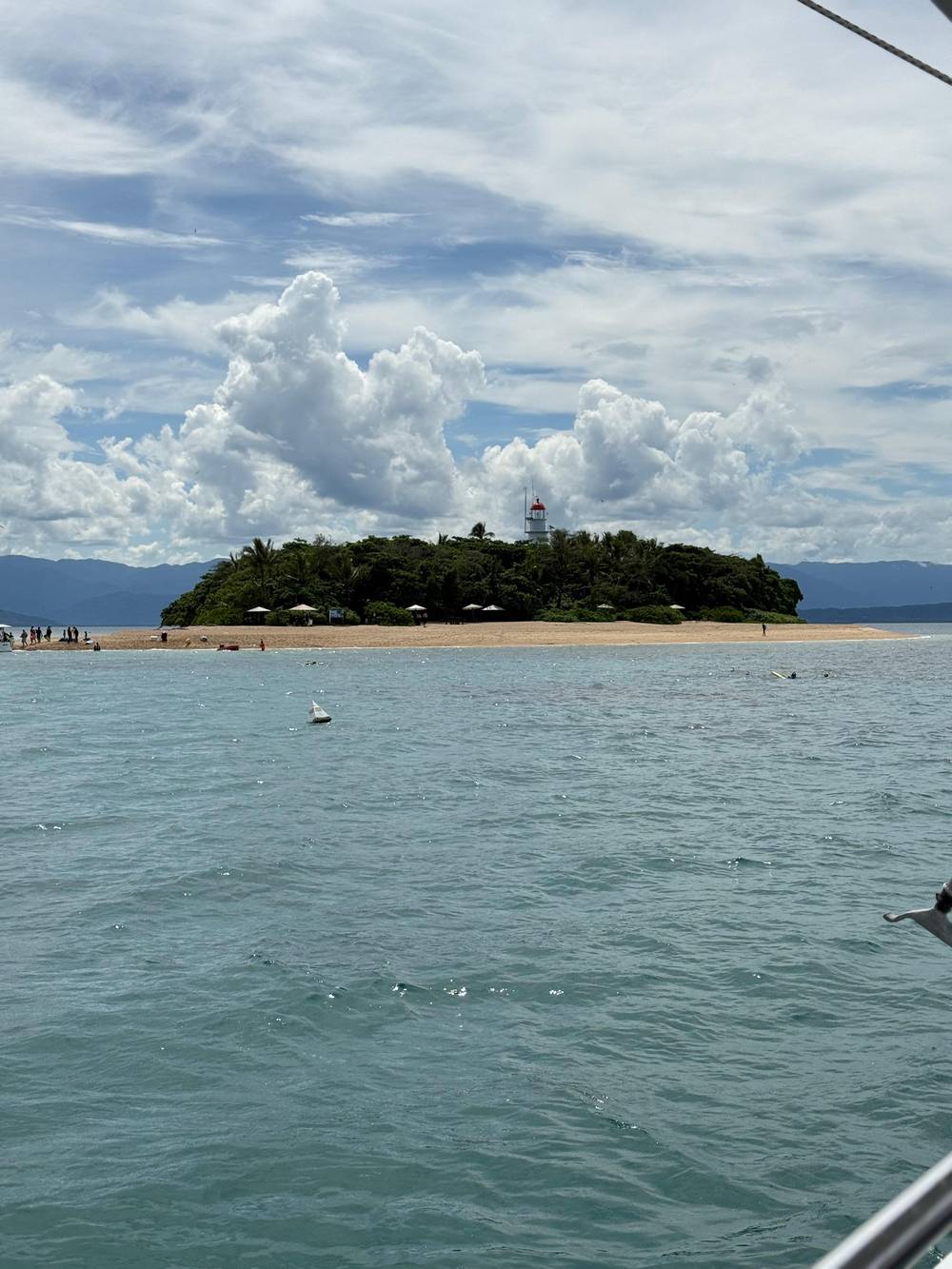
Sailing Take It Easy on YouTube · Playback files load only once you tap play.
Keep clear of free-swimming animals (such as turtles, whales and sea snakes). In particular, do not chase, ride, grab or block the path of these animals.
Wildlife manners
From September to March, Woody Island fills with birds. The Low Isles Preservation Society estimates that 20,000 to 25,000 pied imperial pigeons nest and raise their young here in that season, alongside nesting bridled terns.4,15 The pigeons feed in mainland rainforest and fly back to the island late in the day, and volunteers count them between 4pm and last light as they return to their nests.24
The numbers swing with the weather. Volunteers counted nearly 9,000 birds in late September 2024, the opening count of the 2024-25 season, compared with only 151 counted a month after Cyclone Jasper in February 2024 and around 18,000 in the busiest months of 2022-23.21 On Low Island itself, look up at the lighthouse: Tourism Port Douglas Daintree says the big nests on its roof are often home to an osprey, a fish-eating raptor.47 Sailaway also lists pelicans, honey-eaters, mangrove kingfishers and reef egrets, with eagles overhead.48
Birds nesting on the ground or low in the trees are easy to disturb. The Reef Authority asks visitors to stay well clear of nesting and roosting seabirds, crouch low, keep quiet, move slowly and use existing cover.25 With an estimated 175 bird species in the Marine Park, a small pair of binoculars is worth packing.49 Calypso notes that many sea birds breed and nest both in the vegetation and on the ground, so keep to the paths.38
The crossing to the island can be a wildlife trip of its own in winter. The Low Isles Preservation Society says from June to September humpback whales travel up from their Antarctic feeding grounds to breed and calve in the warmer reef waters, and that tour boats to Low Isles regularly meet them then.5,26 Quicksilver also says humpbacks are most commonly sighted from June to September, while being clear that no sighting is guaranteed.50 Keep a jacket and a camera handy on deck.
The reef keeps its own seasons too. Tourism Australia says the reef comes alive with the annual coral spawning in November.16 The pigeons arrive in spring and stay through summer, the whales come in winter, and the turtles are in the lagoon all year. Whatever month you visit, something is happening. Winter brings drier, windier days and the chance of whales; summer brings calmer mornings, warm water, nesting birds and the need for a stinger suit. Neither is wrong; they are simply different trips.
If wildlife is your priority, choose a longer day. A full-day sailing trip gives you more time in the lagoon and on the island, which means more chances at a turtle surfacing near you and a better look at the birds. If you want a focused swim with the turtles and the rest of the day free in Port Douglas, the half day booked through this site fits well. Calypso runs it early in the morning and in the afternoon and says its guests explore the reef without the crowds, and quiet water is when turtles are easiest to watch.51
FAQ
The Reef Authority asks you never to touch, grab, lean on or feed turtles.18
White-tip reef sharks are present; they are described as generally shy and not typically aggressive.3
That is the pied imperial pigeon season, with an estimated 20,000-25,000 birds.4
Sources
Continue reading
Choosing a Low Isles boat? Ask a real person here.